


Menopause: Symptoms, Stages and Evidence-Based Support
Menopause is reached after 12 months without a menstrual period when hormonal contraception is not affecting bleeding. The years leading up to it are called perimenopause, and the years afterwards are postmenopause.
Symptoms vary widely and can include irregular periods, hot flushes, night sweats, sleep problems, mood or concentration changes, joint pain, vaginal dryness and urinary symptoms. Effective treatment is available, and supplements should support — not replace — appropriate clinical care.
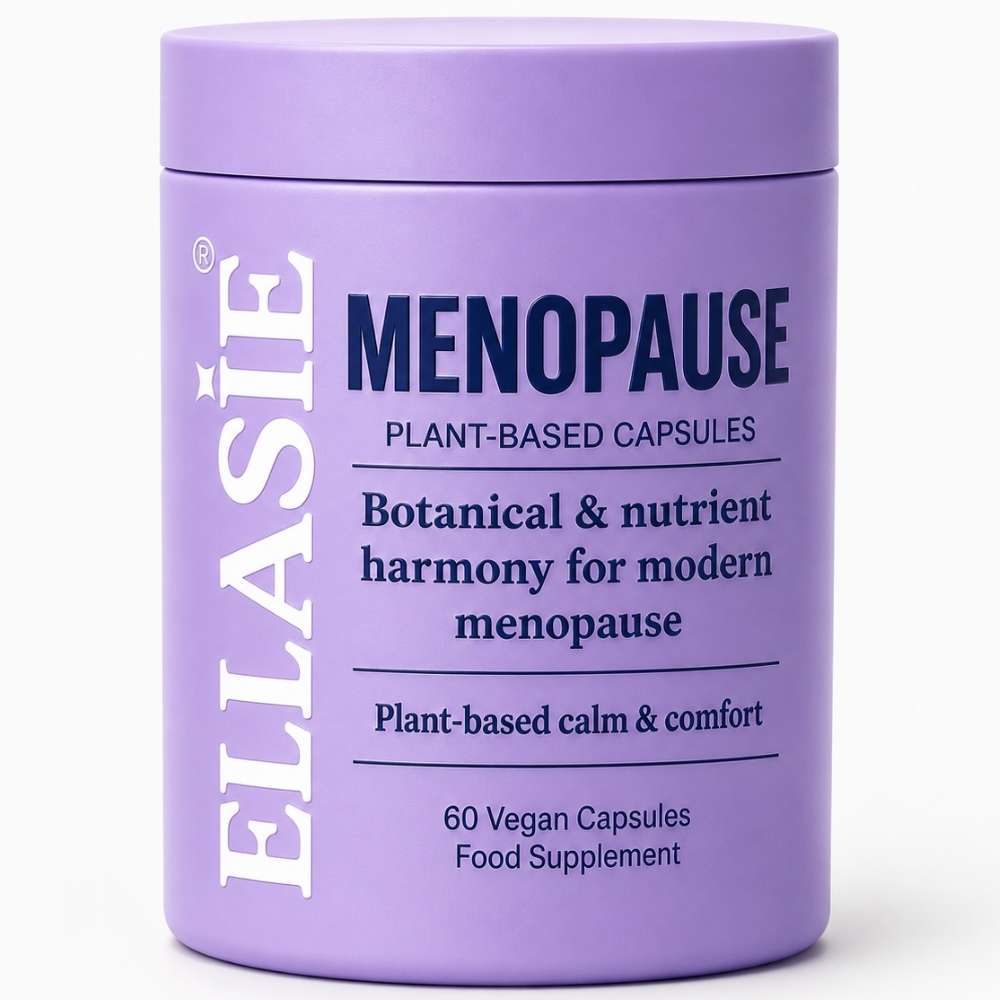
Menopause at a glance
Perimenopause, menopause and postmenopause
These terms describe different points in the same transition.
Perimenopause
The transition before menopauseHormone levels and menstrual cycles begin to change. Periods may become irregular, and symptoms such as hot flushes, sleep disruption or mood changes can begin.
The length and pattern vary. There is no single timetable that applies to everyone.
Menopause
A point in timeIn someone not using hormonal contraception, menopause is identified after 12 months without a menstrual period.
Hormonal contraception, hysterectomy and certain treatments can make the timing harder to identify.
Postmenopause
The years afterwardsSome symptoms improve, while others — including vaginal dryness, urinary changes or joint symptoms — may continue.
Bone health, cardiovascular risk factors, muscle strength and symptom review remain important.
Common menopause and perimenopause symptoms
Not every symptom during midlife is caused by menopause. New, severe or persistent symptoms still deserve proper assessment.
Period changes
Cycles can become shorter, longer, lighter, heavier or less predictable during perimenopause.
Hot flushes and night sweats
Known as vasomotor symptoms, these can affect temperature comfort, sleep, work and daily life.
Sleep problems
Difficulty falling asleep or waking during the night may occur with or without night sweats.
Mood and concentration changes
Low mood, anxiety, irritability, memory problems and difficulty concentrating are commonly reported.
Muscle and joint symptoms
Joint stiffness, aches and reduced muscle mass or strength can affect activity and recovery.
Sexual and intimate symptoms
Low sexual desire, vaginal dryness, discomfort during sex and changes in arousal may occur.
Urinary symptoms
Urgency, recurrent urinary infections and discomfort can be part of genitourinary changes associated with menopause.
Weight and body composition
Ageing, sleep, activity, muscle mass and hormonal changes can all influence weight distribution and energy needs.
How are perimenopause and menopause identified?
NICE advises that otherwise healthy people aged 45 or over can usually be identified as perimenopausal or menopausal from symptoms and menstrual history without routine laboratory tests.1
Perimenopause may be identified when vasomotor symptoms begin alongside menstrual-cycle changes. Menopause is identified after at least 12 months without a period when hormonal contraception is not affecting bleeding.
A clinician may consider an FSH blood test in people aged 40 to 45 with symptoms and cycle changes, or in someone under 40 when premature ovarian insufficiency is suspected. Hormonal contraception can make menstrual patterns unreliable for identifying menopause.
Evidence-based treatment and support options
Treatment should reflect the symptoms that matter most, medical history, preferences and individual risks.
| Option | What guidance says | Important context |
|---|---|---|
| Recommended Hormone replacement therapy | NICE recommends offering HRT for vasomotor symptoms. It can also help several other menopause-associated symptoms.1 | Benefits and risks vary by age, medical history, HRT type, route and dose. Decisions should be individualised. |
| Evidence-based option Menopause-specific CBT | CBT can be considered alongside HRT, when HRT is unsuitable, or when someone prefers not to use it. It may help the impact of hot flushes, sleep problems and associated mood symptoms. | CBT does not replace hormones; it provides practical strategies for symptom impact and coping. |
| Recommended for GU symptoms Vaginal oestrogen | NICE recommends offering vaginal oestrogen for genitourinary symptoms associated with menopause.1 | It acts locally and can be used alone or with non-hormonal moisturisers or lubricants. Breast-cancer history requires individual discussion. |
| Non-hormonal support Moisturisers and lubricants | Non-hormonal vaginal moisturisers and lubricants can be used when preferred or when vaginal oestrogen is unsuitable. | Persistent pain, bleeding, urinary symptoms or treatment failure should be assessed. |
| Variable evidence Complementary products | NICE notes some evidence for isoflavones or black cohosh for vasomotor symptoms, but preparations vary and safety or interactions may be uncertain. | Discuss use with a clinician or pharmacist, especially with medicines, liver problems, cancer history or surgery. |
Bone, muscle and cardiovascular health after menopause
Menopause care is not only about short-term symptoms. Bone strength, muscle mass and ordinary cardiovascular risk factors deserve attention over time.
Bone health
Declining oestrogen is associated with faster bone loss. Risk also depends on age, family history, weight, smoking, alcohol, medicines and previous fractures.
Calcium-rich foods, adequate vitamin D and weight-bearing activity support general bone health. Ask about osteoporosis risk assessment when appropriate.
Muscle and strength
NICE advises discussing the importance of maintaining muscle mass and strength through physical activity.
UK guidance recommends muscle-strengthening activity on at least two days each week, alongside aerobic activity.7
Heart and blood vessels
Blood pressure, cholesterol, smoking, diabetes, activity and family history remain the main modifiable cardiovascular risk factors.
HRT should not be used specifically to prevent cardiovascular disease or dementia. Treatment decisions should focus on symptoms and individual risks.
Move most days
Aim for at least 150 minutes of moderate activity weekly, or the equivalent, when suitable for your health and fitness.
Include strength work
Use weights, resistance bands, body-weight exercise or another suitable method at least twice weekly.
Eat for nutritional adequacy
Prioritise protein, vegetables, fruit, wholegrains and calcium-rich foods rather than relying on a supplement to repair a poor diet.
Monitor ordinary risk factors
Attend blood-pressure, cholesterol, diabetes and screening checks recommended for your age and history.
Vaginal dryness, urinary symptoms and the microbiome
Genitourinary symptoms can persist after hot flushes improve and should not be dismissed as something to tolerate.
Genitourinary syndrome of menopause
Lower oestrogen can affect vaginal and vulval tissue, moisture, elasticity, comfort and urinary function. Symptoms may include dryness, burning, painful sex, urgency or recurrent urinary infections.
Vaginal oestrogen, moisturisers and lubricants are established options. Persistent symptoms deserve a clinical discussion rather than repeated self-treatment.
Vaginal microbiome changes
After menopause, lower oestrogen is often associated with fewer lactobacilli and a higher vaginal pH. That does not mean probiotics can replace oestrogen or established treatment.
Read the evidence boundaries in our Vaginal Microbiome Support guide and our article on vaginal dryness and itching.
Where nutrition and supplements fit
A menopause supplement may help someone meet nutritional needs or provide a preferred wellness routine. It should not be presented as a treatment for the menopause transition itself.
Vitamin D and calcium
The UK advises adults to consider 10 micrograms of vitamin D daily during autumn and winter, with year-round supplementation for some higher-risk groups.8
There is no separate universal calcium or vitamin-D dose specifically for menopause. Aim to meet needs through a balanced diet and follow professional advice for deficiency or osteoporosis.
B vitamins and multi-ingredient formulas
B vitamins have normal nutritional roles, but a product containing B6, D3 or K2 should not automatically be described as treating hot flushes, fatigue, mood changes or bone loss.
Check the total daily amount across all supplements and medicines. Vitamin K products can be unsuitable with some anticoagulants.
Black cohosh and herbal ingredients
NICE notes some evidence for black cohosh or isoflavones for vasomotor symptoms, but products vary, safety is uncertain and medicine interactions have been reported.
Ask a pharmacist or clinician before use when taking medicines, living with liver disease, preparing for surgery or having a history of hormone-sensitive cancer.
Probiotics and moisture-support products
These products may suit an individual wellness routine, but they are not established treatments for menopause symptoms, vaginal infection or genitourinary syndrome of menopause.
Evaluate the exact ingredients, serving, quality controls and compatibility with medical care.
When should you speak to a healthcare professional?
Contact a GP or menopause specialist when symptoms affect sleep, work, relationships, mood, sexual health or quality of life; when you want to discuss HRT or non-hormonal treatment; or when you are unsure whether symptoms are related to menopause.
Seek assessment when symptoms start before 45, when periods become unusually heavy, or when you have significant medical history that could affect treatment choices.
Explore relevant Ellasie formats
These are commercial links for women comparing supplement and intimate-wellness formats. They are not replacements for HRT, prescribed treatment, vaginal oestrogen or medical assessment.
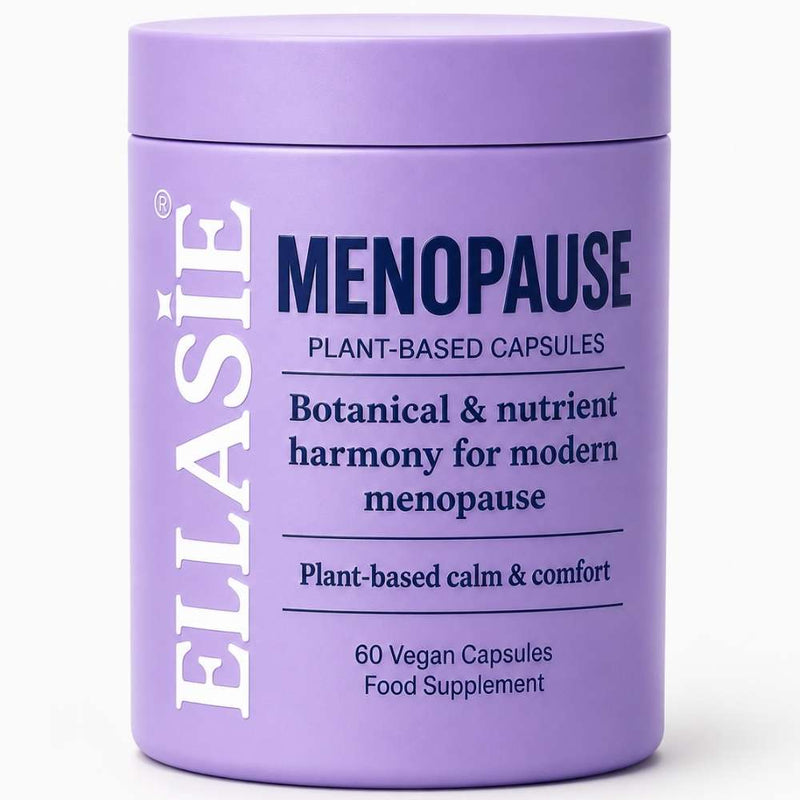
Ondersteuning bij de menopauze | Hormonaal welzijn en botgezondheid
A multi-ingredient daily supplement format created for women comparing a 40+ wellness routine.
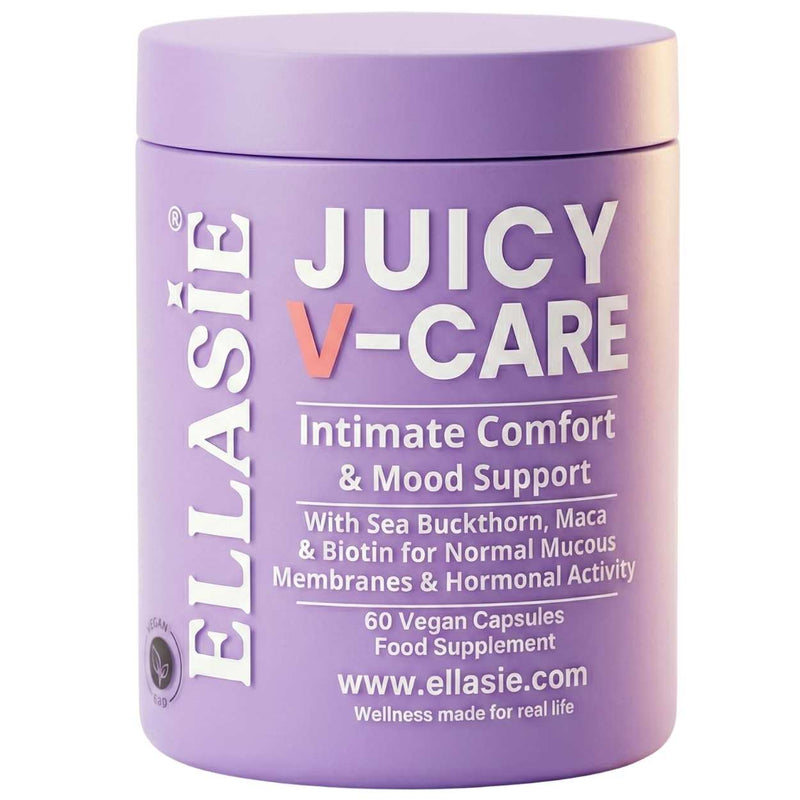
Juicy V-Care: ondersteuning voor vaginale hydratatie en een goed humeur
A separate intimate-wellness option for women comparing moisture-support routines.
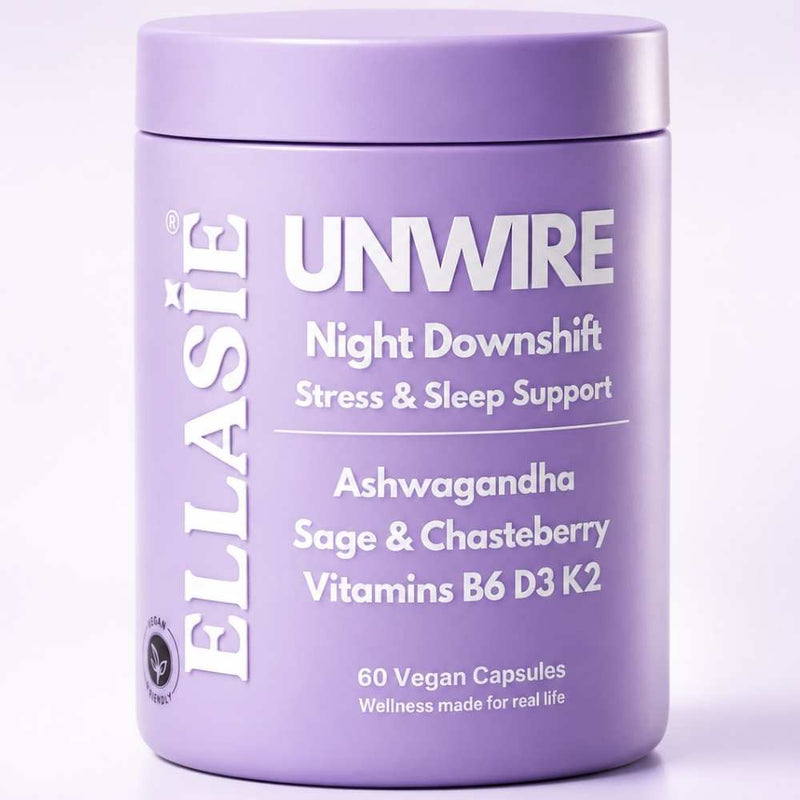
Ellasie Unwire PM-avondcapsules voor vrouwen
An evening supplement format for women comparing calm and night-time wellness routines.
References and further reading
Sources were selected for current UK identification, treatment, symptom, lifestyle and safety guidance.
- National Institute for Health and Care Excellence. Menopause: identification and management — recommendations. NG23. Last updated 15 April 2026.
- NHS. What are menopause and perimenopause?
- NHS. Symptoms of menopause and perimenopause.
- NHS. Treatment for menopause and perimenopause.
- NHS. Postmenopausal bleeding.
- NHS. Early or premature menopause.
- NHS. Physical activity guidelines for adults aged 19 to 64.
- GOV.UK. UK vitamin D supplementation guidance.
- NHS. Food for healthy bones.
- NHS. Things you can do to help menopause and perimenopause symptoms.
Frequently asked questions
What is the difference between perimenopause and menopause?
What age does menopause usually happen?
How long can menopause symptoms last?
Is a blood test needed to diagnose menopause?
What is the most effective treatment for hot flushes?
Can supplements replace HRT?
Does menopause affect vaginal dryness and urinary symptoms?
Can probiotics treat menopause-related vaginal changes?
Which vitamins are important during menopause?
Is black cohosh effective for hot flushes?
Is HRT a contraceptive?
When does bleeding after menopause need checking?
Has this page been medically reviewed?
Questions about Ellasie products?
For help comparing Ellasie formats or understanding a product label, use the Ellasie contact page.
For HRT, symptoms, diagnosis, medication interactions, pregnancy risk, postmenopausal bleeding or individual suitability, speak to a GP, pharmacist or menopause specialist.